
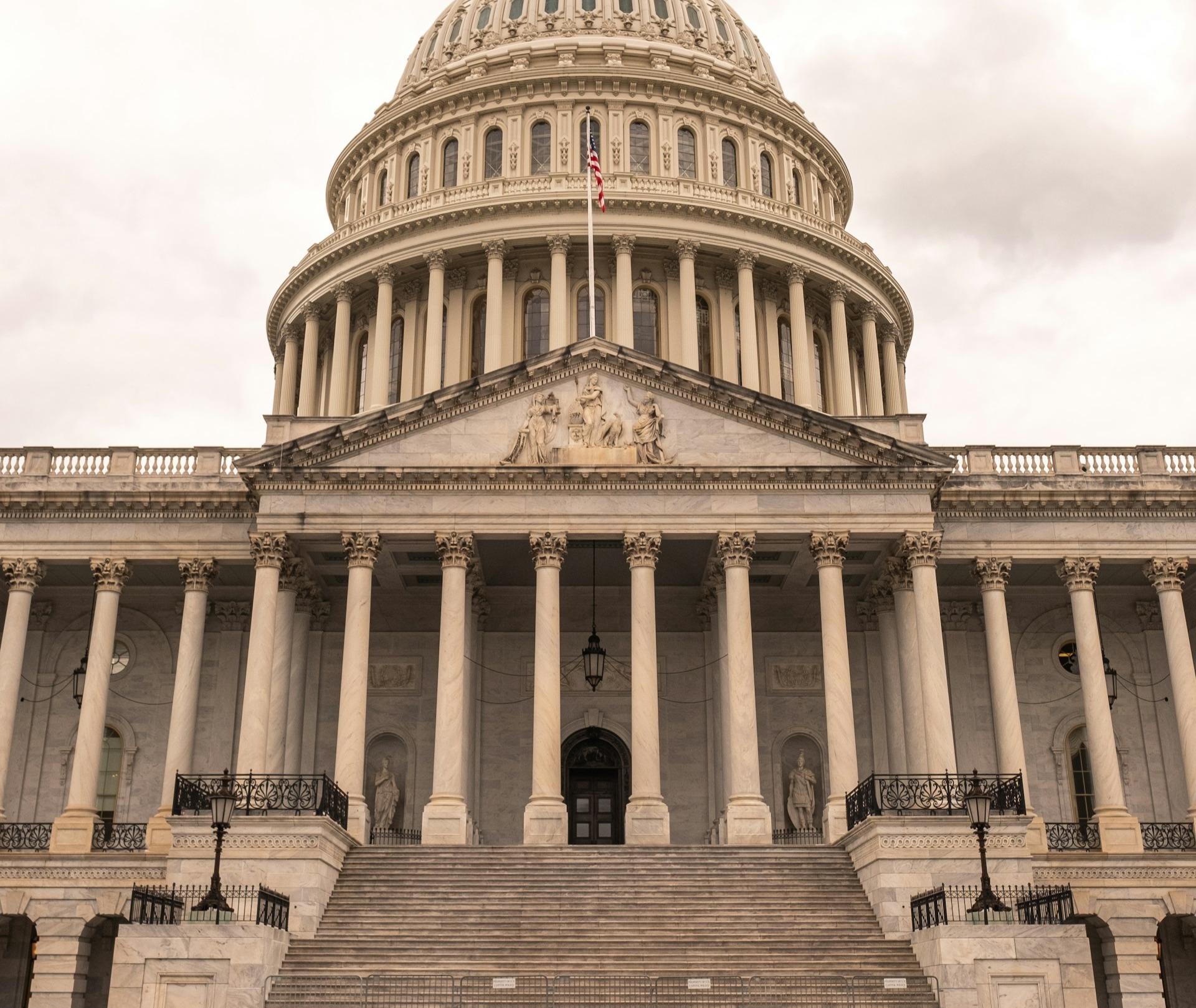
In 1990, a group of organizers led a procession of more than 500 activists from the White House to the Capitol. There, disability rights activists made history by climbing 83 steps. For many, walking up these steps hardly warranted a thought. Many people only saw the stairs. Organizers, however, saw a flagrant, disrespectful, and a plain lack of accessibility, and presented their point with a literal demonstration showing what equal access looks like.
Cameras rolling, these activists broached the stairs. Some climbed backwards, some on their hands and knees, some carrying Americans who couldn’t climb at all. And in ascending these 83 steps to the “People’s House,” these organizers climbed their way into history.
“As I’m seeing the people around me,” recalled activist Anita Cameron in an interview with PBS’s American Experience, “I’m like, ‘whoa, we are doing it. We are really doing it. We’re, like, crawling into history.’”
Crawl into history they did. The Americans with Disabilities Act (ADA) passed on July 26, 1990.
The work of building and ensuring a safe and secure democracy is around-the-clock, tireless, and essential.
WeVote believes in democracy and empowering every eligible voter with the confidence to play their part in shaping what kind of a country we live in. No stairs should be unclimbable, and no voter should be denied access to the franchise. This means advocating for and supporting people with disabilities and supporting groups like those activists ascending 83 steps.
WeVote is a platform for politically empowering voters, including voters with disabilities and organizations like those activists who made history in 1990.
The passage of the ADA is progress. And yet, structural barriers still prevent many people with disabilities from participating in our democracy: physical barriers — like polling places with stairs, a lack of accessible parking, voting booths that cannot accommodate wheelchairs, or even long lines with no seating; technology barriers — like ballots not compatible with screen readers, a lack of large print or braille options, or poorly designed voter registration systems; and legal barriers — like confusing ID requirements, limited vote-by-mail options, and inconsistent policies. There are even systemic barriers, like a lack of engagement with disability communities and poor communication of voting options.
All of this matters because removing barriers is about ensuring participation and access to a fundamental right of all Americans.
There are a variety of disability-led and advocacy organizations seeking to address these issues. Groups like the American Association of People with Disabilities (AAPD) and the National Coalition on Accessible Voting address barriers to voting for people with disabilities.
WeVote is committed to supporting disability advocacy groups and their grassroots efforts, advocacy, and activism. And the WeVote platform offers meaningful tools to support these efforts and outreach.
WeVote supports engaging and supporting disabled voters. Here’s how:
- WeVote technology lowers barriers, helping to share organizing tools, guidance, and clear information.
- WeVote is committed to partnering with disability advocates and organizations, and to meaningfully including people with disabilities and their allies in planning, outreach, and decision-making.
- WeVote gives disability advocates and community leaders organizing tools and shared digital voting guides while offering clear guidance on registration, voting options, and accessibility.
Accessibility is an ongoing commitment, not a one-time fix. Technology will change. Best practices will change. Platforms will change. WeVote will change. And as we grow and as we connect voters with issues they care about, we will take inspiration from and offer support to groups like those organizers who climbed 83 steps into history.
Leave a Reply