
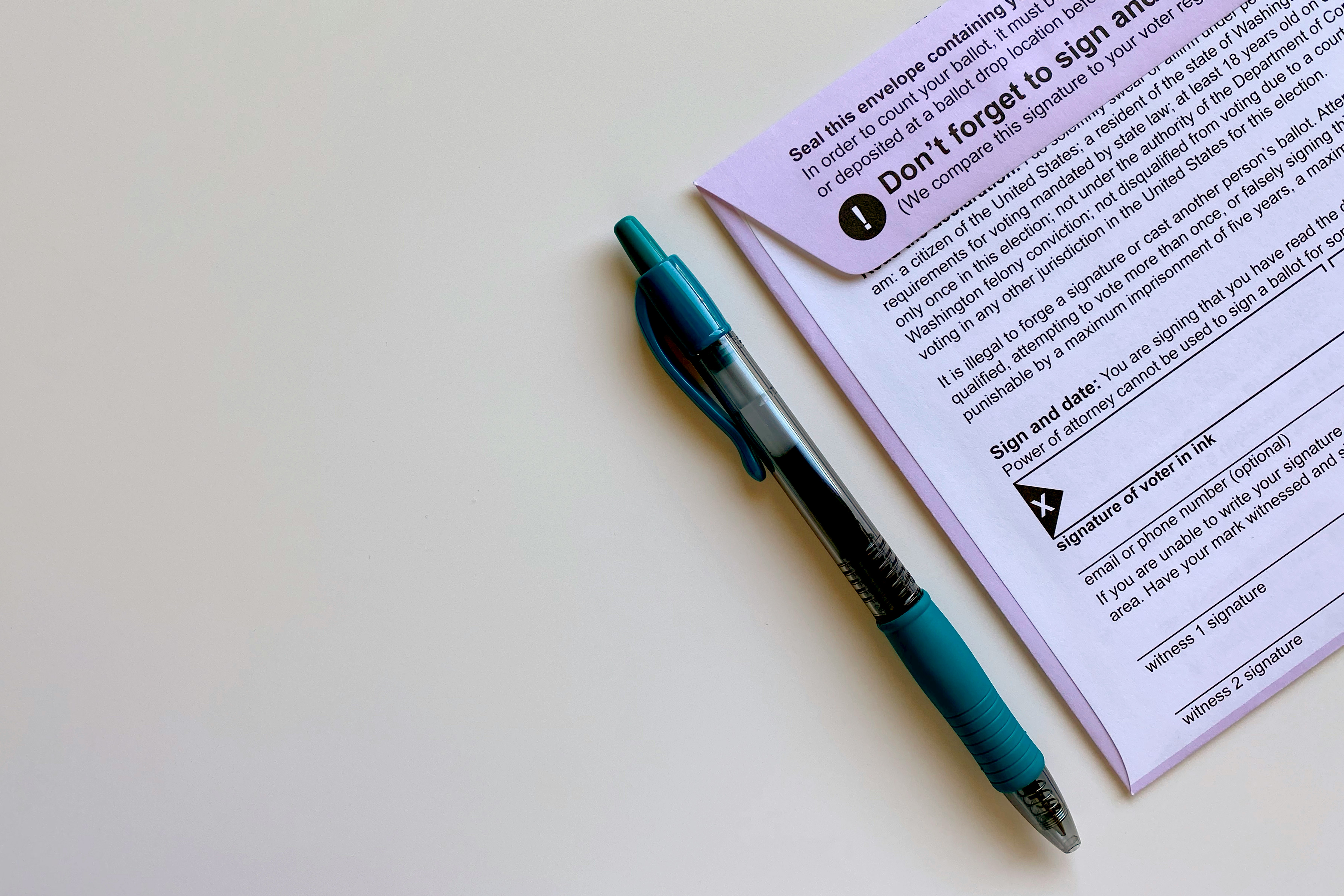
Most people do not sign documents the same way every time. Multiple factors can cause a person’s handwriting to change from one instance to the next. This principle applies to people who choose to mail their ballots as well. The signature election officials have on a voter’s file might not perfectly match the one they signed their ballot with. As a result, the ballot may be rejected. It is important for voters to understand what constitutes a mismatched signature so they can avoid ballot rejections.
What Are Ballot Signature Mismatches?
When a voter’s ballot signature does not match the signature on their file, it is classified as a mismatch. Signatures on file often stem from voters’ driver’s licenses or voter registrations. Disabilities or old age commonly influence changes in a person’s signature. As such, the signature on a voter’s file may be from a time when their handwriting was different.
How Do Election Officials Validate Signatures?
Not every state views the signature verification process the same way. As of 2026, thirty-two states and Puerto Rico validate signatures by comparing them to those on file. Nine states, the Virgin Islands, and Washington, D.C., confirm ballots have been signed but do not match them. Eight states require a signature from a witness in addition to the voter’s signature. Six states require voters to include specific identity information (state ID or SSN details) on their ballot envelope. Three states require voters’ ballots to be notarized, while two require voters to provide a copy of their ID.
NOTE: Certain states’ signature verification policies may overlap with others.
When states match signatures, in 2026, they commonly choose to do so in different stages or tiers. Officials state this system makes the signature-matching process accurate and secure. The tiers are described below:
Tier 1: ASV (Automatic Signature Verification)
The first tier involves using ASV, software that compares the photo of a signature on a ballot envelope to an on-file signature. Essentially, ASV looks for a near-perfect match between the two signature images.
Tier 2: Human Review
After ASV does its verification, ballot signatures then get reviewed by a trained human. This individual spends no more than thirty seconds comparing reference images to source images.
Tier 3: Additional Review
The last tier, Tier 3, involves taking a ballot that has passed through the previous tiers and conducting a final review. Humans involved with Tier 3 take three minutes to investigate a voter’s record, looking for older signatures and other forms of evidence. This is the last signature verification process that will ultimately decide whether a signed ballot will be rejected.
While election officials match signatures, they may look at the following handwriting indicators:
- Slant of handwriting
- Size and proportion of letters
- Shape of letters
- Ending strokes
- Speed of writing
- Pen lifts
What Is Ballot Curing?
Ballot curing is the process of correcting errors, such as signature mismatches, that may arise with a mail-in ballot. This process makes it more likely the ballot will be counted. As of mid-2026, thirty-five states and Washington, D.C., allow voters to cure their ballot if election officials notify them of an issue while matching signatures. Although the rules these states follow vary, in this case, voters can usually correct their ballot without being issued a new one. Massachusetts and Minnesota are exceptions; they require a reissuance of a ballot.
What Should Voters Do?
First, it is important that, when voting by mail, voters track their ballot to ensure it gets counted. Different states have different resources that allow ballot tracking. If a voter’s state does not offer this service, they should contact their local election official in the Election Official Directory.
Second, voters should promptly respond if there is an issue. Election officials in states that offer ballot curing are required to notify voters if an issue like signature mismatching occurs. In this case, the notified voter can cure their ballot. However, the process varies by state, so it would be wise for this individual to identify their state’s curing method.
Third, if voters have noticed their signature has changed, they can contact their local election officials to learn how to update their file. Some areas have designated websites. For example, Jefferson County in Colorado has a webpage dedicated to guiding voters in updating their on-file signatures.


Leave a Reply