
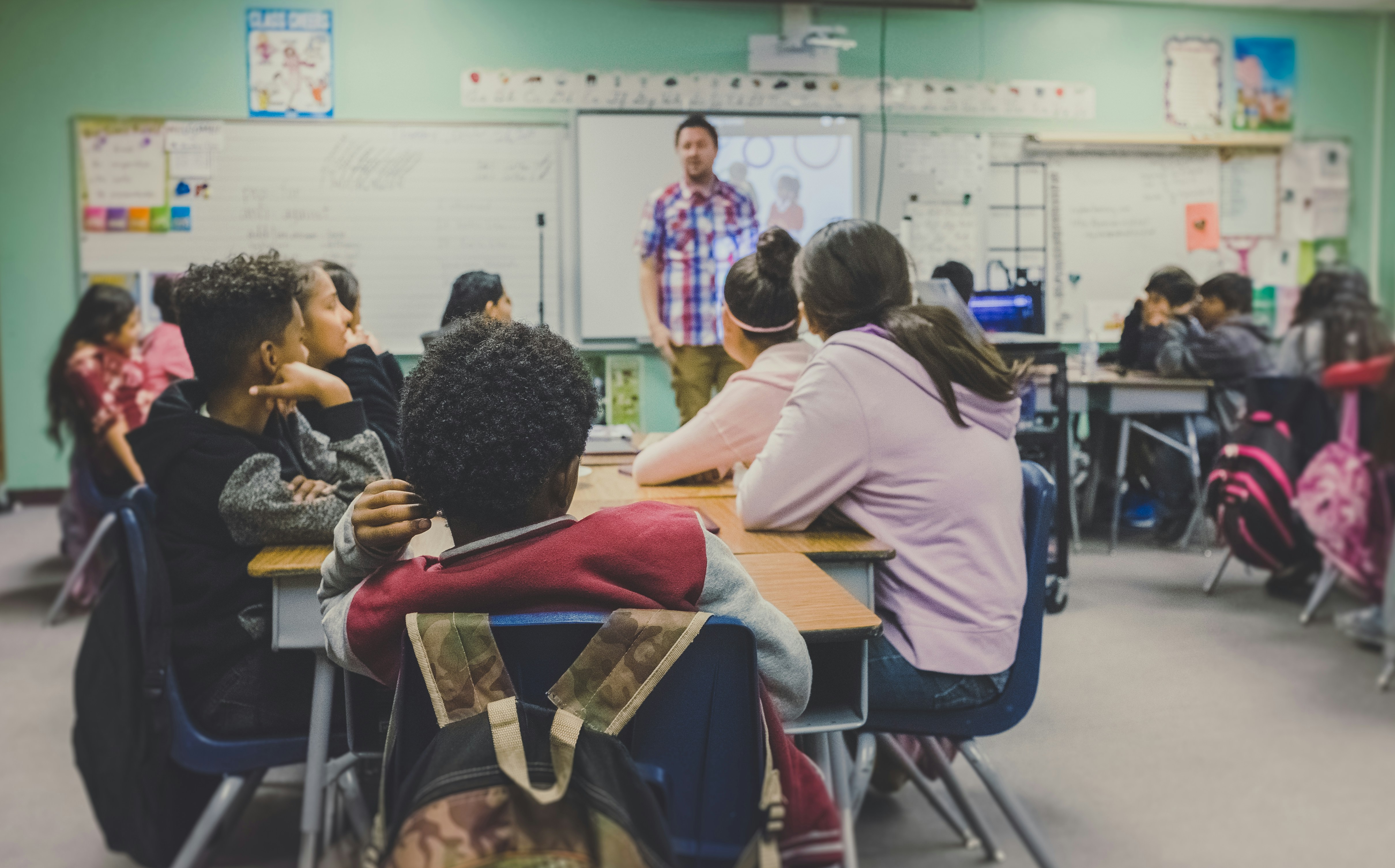
Five tips + resources for parents and teachers to educate kids under 18 on the democratic process and civic engagement
As the United States prepares for a new school year, we’re also gearing up for the 2024 presidential election. So far, this year’s race has been filled with monumental events that will be a part of history lessons for years to come, from former President Trump’s assassination attempt to President Biden dropping out of the race just four months before Election Day.
As the excitement surrounding this year’s election continues to build, teachers and parents are wondering how to educate kids about the importance of voting and elections in a comprehensive yet neutral way.
Helping kids understand civic responsibilities and learn about the democratic process before they can vote is a critical part of their education.
Here are a few tips and resources to effectively discuss elections and voting with children of all ages.
1) Learn the Basics Using Real-Life Examples
A great place for teachers and parents to start is to talk about the overall process of voting and elections before delving into specific political ideologies. Begin by sharing how elections are organized, how people register to vote, and how votes are counted. Highlight the importance of every vote and how it contributes to the democratic process.
Whenever possible, use real-life examples to illustrate how voting impacts communities. This could include discussing local issues or community projects where voting played a role.
Some schools even host mock elections where students get to vote, allowing them to become politically engaged at a young age. By connecting voting to things kids see and experience daily, children can better understand its relevance.
Resources:
- Teaching for Democracy Alliance is an organization dedicated to student learning about elections and informed voting. They offer many helpful resources including a self-assessment matrix for teaching about elections and a handy checklist for school and district leaders.
- iCivics offers free resources, including lesson plans and games, to help teachers (or parents!) engage kids in meaningful civic learning.
- PBS shares a great list of picture books about voting and elections that can help serve as a starting point with younger children.
2) Encourage Critical Thinking
When discussing elections, it’s always important to help kids of all ages understand that everyone has a different viewpoint and that these differences are a normal part of democracy.
Teachers and parents can encourage kids to ask questions and think critically about why people might have differing views, thus creating an environment where they can learn to respect diverse perspectives and understand the value of informed decision-making.
Resources:
- Teaching Hub shares great tips for developing critical thinking skills including activating curiosity and promoting collaboration.
- Dr Jazmine of The Mommy Psychologist explores how to raise critical thinkers on her podcast.
- Check out the parents guide to critical thinking from Reboot Foundation that is broken down by age group.
3) Avoid Bias
The opportunities to discuss the election in the classroom and at home are plentiful but to allow students to critically engage with diverse perspectives, teachers and parents must be thoughtful of their political biases when discussing. By presenting information objectively, teachers and parents can achieve their goal of educating without influencing others.
Resources:
- By deepening students’ discussion skills, ASCD shares how schools can play a key role in bridging political differences in our society.
- Hewlett Foundation offers four useful principles to help educators teach politically charged topics.
- Education Today shares how to foster political literacy without bias.
4) Promote Civic Engagement
Parents and teachers can encourage children to get involved in their communities in ways that interest them. This could be through volunteering, participating in school elections, or attending local government meetings.
Something that all campaigns need help with is calling or writing potential voters. If children feel strongly about a certain cause or candidate, this is a great way to get them involved.
In 2016, an 11-year-old from New Jersey volunteered to make calls on behalf of the Bernie Sanders campaign. At the time, Sanders, a Senator from Vermont, was seeking the Democratic Party’s presidential nomination. By engaging in activities like these, children learn that being involved in their community is important and that their voices can make a difference.
Resources:
- Are you looking to host a school election? Check out these helpful tips from Voting 4 Schools.
- Under the supervision of a parent, kids can use 5 Calls to make calls to representatives about causes they feel passionate about.
- Writing letters or postcards to voters is another effective way to help increase election turnout and get kids involved.
5) Create a Safe Space for Open Dialogue
Lastly, and perhaps most important, it is key to create an environment, at home or in the classroom, where children feel comfortable discussing their thoughts and questions about elections and voting. This open dialogue can help address misconceptions and reinforce their understanding of the democratic process.
Open dialogue can also benefit the mental well-being of children and young people. Incorporating some of the tips and strategies from the resources below can empower students to navigate future challenges with resilience and confidence.
Resources:
- ASCD features a great article on how teachers must establish a judgment-free environment.
- Here are seven tips for creating safe spaces for speaking out that apply to people of all ages.
- Sarah Farrell-Whelan’s TEDx talk explores the benefits of integrating open dialogue into school environments, fostering meaningful connections between students and their social networks.
Conclusion
By approaching discussions about voting and elections with clarity, neutrality, and encouragement, teachers and parents can play a crucial role in helping children develop a well-rounded understanding of democracy and their role in it.
About WeVote
WeVote is a non-profit with a mission to build the next generation of voting tech so voters at a hyper-local level can be informed on the issues they care about, curated by people they trust. By connecting neighbor with neighbor and friend with friend, we help voters cut through the clutter to understand what’s on their ballot. The open platform lets anybody create and share voter guides that aggregate information and opinions across networks, so you can help others become better voters too. Vote red, vote blue, vote rainbows; we don’t care; we just want you to vote, and that’s why we’re here.



Leave a Reply