
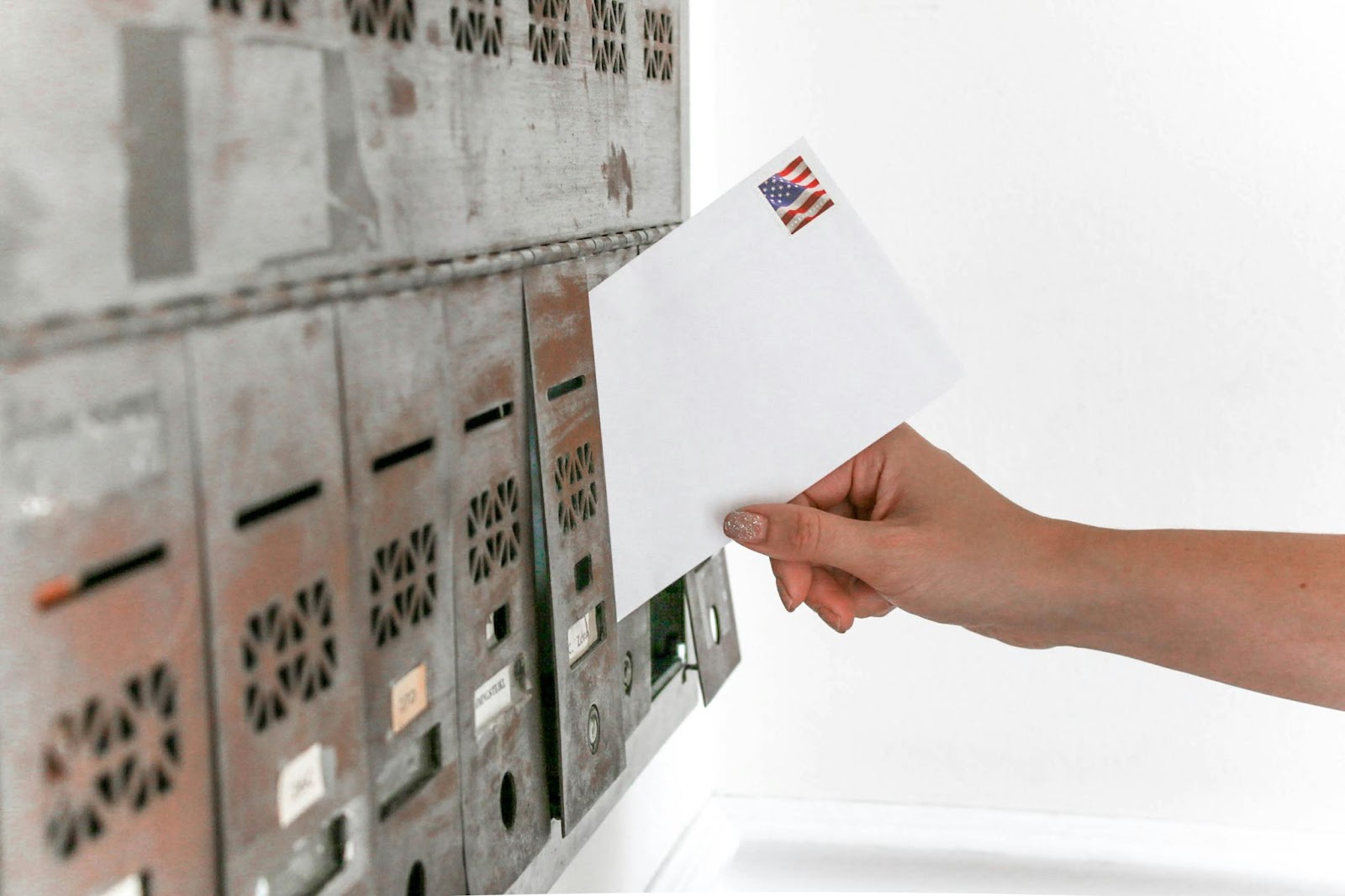
Campaign volunteers are wielding pens in growing numbers and writing postcards to give inactive and unregistered voters a nudge and remind them of their civic duty ahead of the November 5 election.
These personalized postcards with handwritten messages that urge people to “be a voter” are becoming an effective way to communicate important candidate and election details.
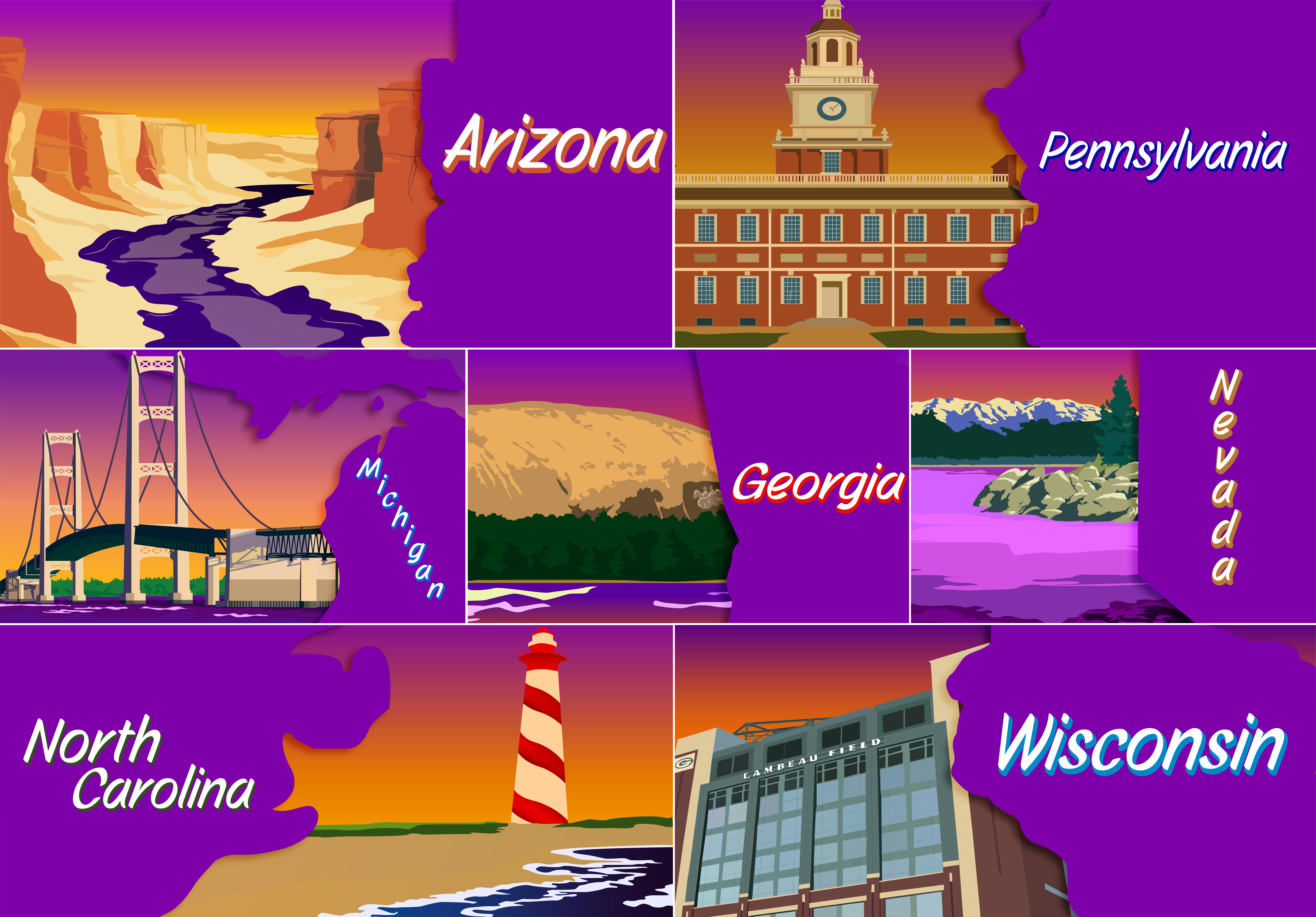
Armed with colorful markers and stickers, volunteers have churned out millions of postcards in the last several years—a number that continues to rise, given goals to reach out to voters in battleground states like Georgia, Arizona, Michigan, Nevada, and Wisconsin.
What Are Postcard Campaigns?
The goal is to boost voter participation in both big and small local elections. Postcard-writing volunteers concerned about hot-button issues like the economy, health care, and gun safety are motivated.

For example, Reclaim Our Vote, a grassroots campaign focused on increasing turnout among Black, Indigenous, and people of color, has collectively dispatched nearly 14 million postcards to voters since 2000, according to the website.
Another group, Postcards to Voters, based in Kennesaw, Georgia, helps source voter addresses and tailor postcard messages to include details like election deadlines, local and national races, and the significance of each individual’s vote. At present, the group has more than 162,000 volunteers who’ve collectively written and mailed more than 22 million postcards to voters in hundreds of critical elections.
Postcard Campaigns: A Tradition of Voter Engagement
It’s not just national elections that motivate volunteers; many choose to write postcards year-round, engaged in state and local-level outreach efforts.
The use of postcards has increased since the Trump presidency, but letter-writing activism has a long history in the U.S. Revolutionary leaders, for example, spread their message throughout the colonies in open letters addressed to the public in local newspapers.
Why Postcards Work: Boosting Voter Turnout
Building on a tradition of written communication, Postcards to Voters emerged in March 2017, organizing through social media. Through Facebook, it shared five addresses with five volunteers, who, in turn, mailed postcards endorsing Jon Ossoff, a Democratic candidate in the 2017 special election for Georgia’s 6th Congressional District.
While that congressional race went to a runoff, and Ossoff ultimately lost, postcard activism was positively stamped with approval. In one month, the five original volunteers grew to more than 1,200 nationwide in 2017, with over 51,000 postcards mailed, per Postcards to Voters website.
Ossoff was later elected to the U.S. Senate in 2021 after winning a runoff election. He expressed thanks via social media messages to all who “wrote postcards, made calls, knocked on doors, texted friends, and chipped in a few bucks” to deliver the victory in Georgia.
How Postcards Aim to Boost Voter Turnout
Election postcards in 2024 are a welcome departure from political text message inundation, postcard organizers said.
Election postcards can vary, depending on the organization that creates them, as well as the specific message they convey. However, they typically include information about people running for office and their positions on certain issues. Voting details about how to register and deadlines to watch for are common, in addition to messages about the high stakes of elections.
Tony McMullin, or “Tony the Democrat,” is a key figure in the Postcards to Voters movement. He highlighted the potential impact on election turnout when a voter receives a postcard.

Photo Credit: Element 5 Digital
“At a minimum, we might see a one percentage or even half percentage boost in turnout…when you look at races being close, that half or one percent could make the difference,” McMullin said.
Reclaim Our Vote examined postcardings’ effects as part of a study in which voters were randomly assigned to receive a postcard or not. It found there was an average ”2.55 percent lift in turnout for those who received a postcard,” based on data from 26,554 Black voters in three Florida counties during the August 2022 primaries.
Postcarding: An Accessible, Flexible Way to Get Involved
For volunteers, postcarding represents a flexible and accessible way to participate in the public process. It can be woven into their daily routines – be it while binge-watching House of the Dragon or at a postcard writing party with friends and family. It’s also easier for people who shy away from traditional outreach approaches like phone banks or door-to-door canvassing.
YouTube Video: Mountain View woman manages massive volunteer get-out-the-vote operation
On average, individual postcard writers produce about 12 postcards per campaign, which doesn’t translate to a huge financial outlay for most, McMullin said. While postcard postage has gone up—currently 53 cents—postcards may be purchased for as little as eight cents a card, he added.
From the voter’s perspective, the appeal lies in a postcard’s unobtrusiveness; it’s up to them to decide when to sort through mail, read the postcard, and digest the message, McMullin said.
Refining the Message: Streamlining Postcard Campaigns for Greater Impact
Mia McCall, a team leader writing postcards with Swing Left Marin, emphasized the ongoing efforts to streamline the postcard messaging process.
“We refine the script to make it as enjoyable and efficient for the (volunteers) to write as much as they can.”
About WeVote
WeVote is a 100 percent volunteer-driven non-profit with a mission to build the next generation of voting tech; voters at a hyper-local level can be informed on the issues they care about, curated by people they trust. By connecting neighbor-with-neighbor and friend-with-friend, we help voters cut through the clutter to understand what’s on their ballot. The open platform lets anybody create and share voter guides that aggregate information and opinions across networks, helping others become better voters too. Vote red, vote blue, vote rainbows: we don’t care; we just want you to vote.


Leave a Reply