

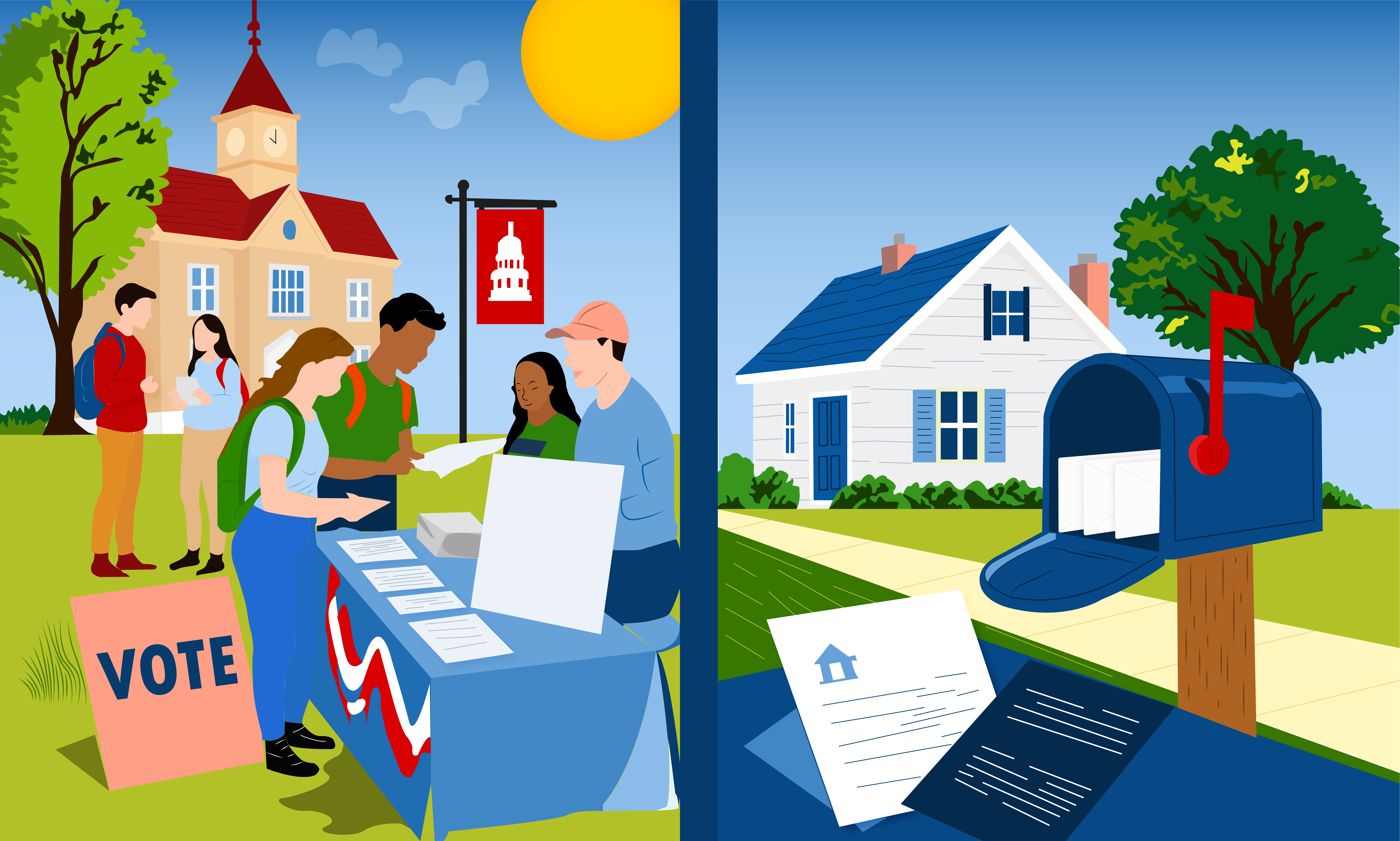
In mid-October I dutifully mailed my son’s absentee ballot to him at his college address, making sure it would arrive well before November.
About a week after Election Day, I asked him, “Did you mail your ballot?”
Long pause.
“I was busy, and I forgot,” he finally admitted. “I had midterms and a paper to write…”
At the time, I didn’t press the matter. I couldn’t entirely fault him. Admittedly, I missed voting in an election or two when I was a college student.
My son’s behavior is not unique, based on recent voter turnout data. More than a quarter of young adults aged 18 to 29 who didn’t cast a ballot in 2024 said they were too busy or had time conflicts, according to a July study from the Center for Information & Research on Civic Learning and Engagement (CIRCLE) titled “Barriers and Hardships: Why Some Youth Didn’t Vote in 2024.” The study explored both motivational and structural barriers that affected participation in the last presidential election.
The data helps explain why excuses — in my son’s case, midterms and a paper — are a challenge and raise questions about how we can support youth participation in future elections.
New Year, New Voter Resolutions
My propensity for participating in the public process has evolved quite a bit since my college days. So when I was thinking about writing an article for the WeVote Blog — something along the lines of “New Year, New Voter Resolutions” — I thought this would be a pretty straightforward assignment.
To report on the subject, I interviewed Melissa Michelson, a political science professor at Menlo College in Atherton, Calif., and an expert on topics such as voter mobilization. During our conversation, she shared plenty of encouraging insights on voter participation, citing the most recent election in November and the high turnout. But one point Michelson made really stood out: the importance of establishing connections with youth voters on the issues they care about.
Voting Really Does Matter
Volunteering with WeVote has shown me the need for voter connection is ongoing. But, like many long-term ballot casters, I still needed a reminder that being a voter isn’t driven by once-a-year resolutions. As Michelson pointed out, connection can manifest in daily conversations with our friends, family, and communities.
“Some of the most effective strategies are where you start talking to those younger voters and saying, ‘What do you care about?’” Michelson said.
“Whether that’s reproductive rights or climate change or immigration policy or racism… [it’s about] helping them understand who they vote for — who’s controlling local, state, or national office — is going to impact what happens on the policy that they care about. And that voting really does matter.”
Political scientists often point to a “geeky equation” called the calculus of voting, Michelson added. Whether someone votes boils down to the degree to which they think their vote matters and what they think they’ll get out of voting.
What’s Helping and Hindering Youth Voters
To better understand factors helping or hindering participation in the U.S., the Cost of Voting index delves into each state’s election laws and policies to measure the relative difficulty of voting across all age groups. Developed by political scientists, the index looks at factors such as registration rules and deadlines, ID requirements, wait times, and availability of early voting.
According to the index, Oregon frequently earns the highest rank for being the easiest state to vote in due in part to vote-by-mail and accessible registration rules. Mississippi, on the other hand, was the most challenging state to vote in as of 2024 because of steps like requiring voters to have their absentee ballot envelope notarized.
Youth Voter Connection
Beyond these factors, my son’s overlooked ballot reminded me that young voters face real challenges, from schedules to navigating confusing voting rules. And a state’s voting process can make participation easier or harder.
Michelson emphasized that even small moments of connection can help make someone feel understood and less overwhelmed by casting a ballot — such as asking a college student about what matters to them, offering help, and reinforcing that the public process matters.
The idea isn’t to stage a big campaign over turkey and pie during the holidays. But making an effort to check in frequently is important, whether your loved one is juggling school or other daily challenges.
You also can remind them that any voter can follow popular policy topics — from affordable housing and securing borders to bicycling infrastructure — on WeVote to explore which candidates align with their values.
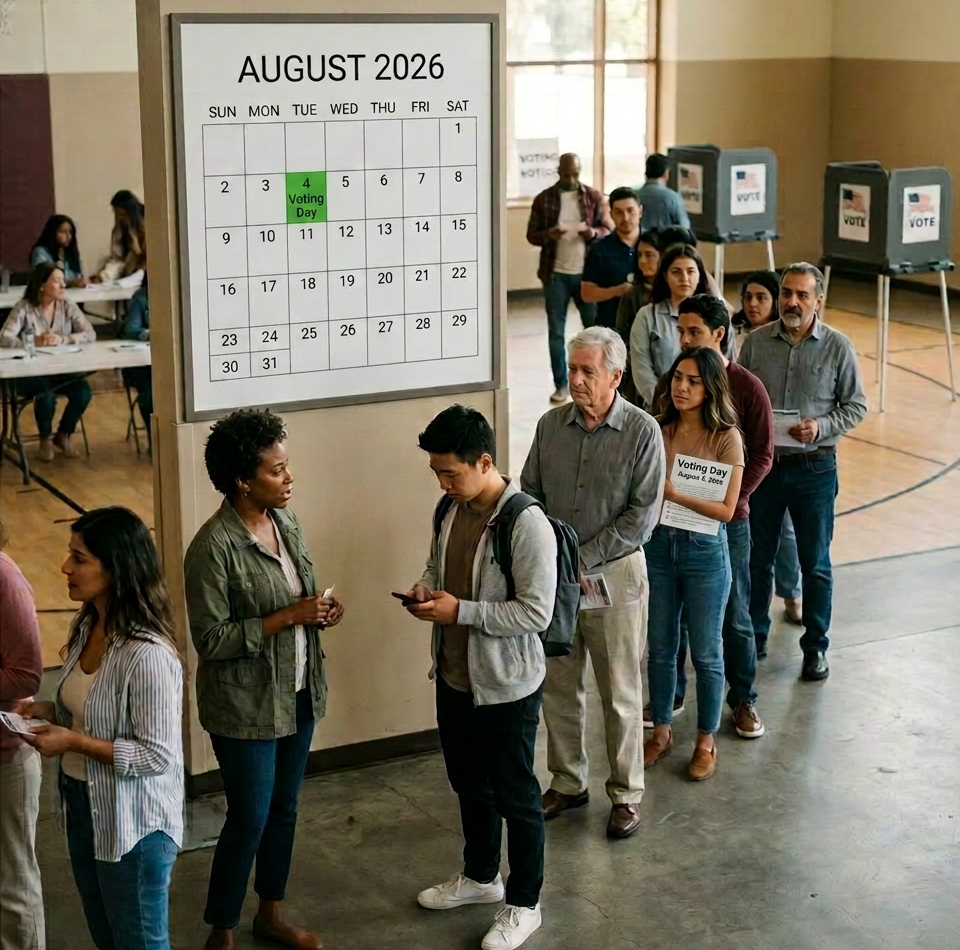
As for my son, I’m hoping midterms take on new meaning for him in the fall of 2026.
Leave a Reply