
How Trump’s Import Tariffs Directly Impact California’s Businesses
President Donald Trump’s import tariff policy has ignited a national debate over trade, economics, and executive power. The Trump administration maintains the tariffs are essential for protecting American industries and reducing trade deficits. Critics—including economists, business leaders, and state governments—warn of sweeping consequences such as higher consumer prices and supply chain disruption, particularly for states as big as California.
California is uniquely vulnerable as the world’s fourth-largest economy and a cornerstone of American trade and innovation. Understanding the potential risks and rewards of Trump’s import tariff policy is critical for everyday voters who are expected to experience changes in their wallets and workplaces.
This article will analyze how import tariffs work, the motivations behind Trump’s policy, and what this means for California’s economy, from farms to ports to family budgets.
Understanding Import Tariffs and Their Historical Context
An import tariff is a government-imposed tax on foreign goods entering the country. Tariffs are a trade policy used to regulate imports. Tariffs were first introduced in 1798. They have historically served as a significant source of federal revenue and a tool to protect domestic industries from foreign competition. Between 1798 and 1913, tariffs accounted for 50% to 90% of the United States federal income.
However, the use of tariffs has had mixed outcomes. For instance, the Smoot-Hawley Tariff Act of 1930 raised U.S. tariffs on over 20,000 imported goods. It led to a significant decline in international trade, exacerbating the Great Depression.
President Trump’s Tariff Policy: Objectives, Impacts, and Global Response
On April 2, 2025, President Donald Trump announced a sweeping 10% import tariff on goods from major trading partners, including China, Mexico, and Canada. Invoking the International Emergency Economic Powers Act, the administration justified these tariffs as necessary to address national economic security concerns, including what it described as the United States’ overreliance on foreign manufacturing, vulnerabilities in critical supply chains, and the perceived economic threat posed by adversarial nations like China.
The stated goals of this policy include:
- Reducing the Trade Deficit: The administration aims to encourage consumers to buy domestically produced products by making imported goods more cost-prohibitive.
- Revitalizing Domestic Manufacturing: Tariffs protect U.S. industries from foreign competition, potentially creating jobs in sectors like steel and aluminum.
- Addressing Unfair Trade Practices: The administration seeks to counteract what it perceives as unfair subsidies and dumping by foreign governments.
However, the announcement sent shockwaves through the global economy. Major U.S. trading partners quickly criticized the move. China retaliated by imposing steep tariffs on key American exports, including soybeans, aircraft, and California-grown almonds and dairy.
Swift Responses on Import Tariffs
The diplomatic fallout was swift. U.S. allies voice concerns over Washington’s increasingly unilateral trade approach, calling it a destabilizing force in international commerce. Meanwhile, market reaction was volatile. The Dow Jones Industrial Average dropped about 1,000 points in the week following the announcement, as fears of a protracted trade war mounted and investor confidence faltered.
Facing mounting political and financial pressure, the U.S. and China have recently reached a temporary agreement to reduce import tariffs on selected goods and re-enter structured trade negotiations. Both countries agreed to lower duties on consumer electronics, automotive parts, and certain agricultural exports in time for the summer shopping season.
Though this agreement offered temporary relief for markets and businesses, analysts caution that the détente is fragile. The broader tariff structure remains in place. The Trump administration has not backed away from its long-term import tariff strategy. The episode has already disrupted global supply chains, triggered inflationary pressures, and damaged trust among foreign allies and trading partners.
California’s Economic Landscape & Trade Dependencies
When you look deeper at import tariffs, individual states like California will likely face significant challenges, too. California, the world’s fourth-largest economy with a GDP of approximately $4.10 trillion in 2024, is particularly vulnerable due to its substantial reliance on international trade.
Key Economic Sectors:
- Agriculture: In 2022, California’s agricultural exports totaled $23.61 billion, with top commodities including almonds, dairy products, pistachios, wine, and walnuts. Tariffs on these exported goods can hamper demand and incur revenue losses for local farmers.
- Manufacturing: In 2024, the state exported $158.7 billion in manufactured products, supporting an estimated 533,000 jobs. The largest manufacturing export category was computer and electronic products, accounting for $47.9 billion.
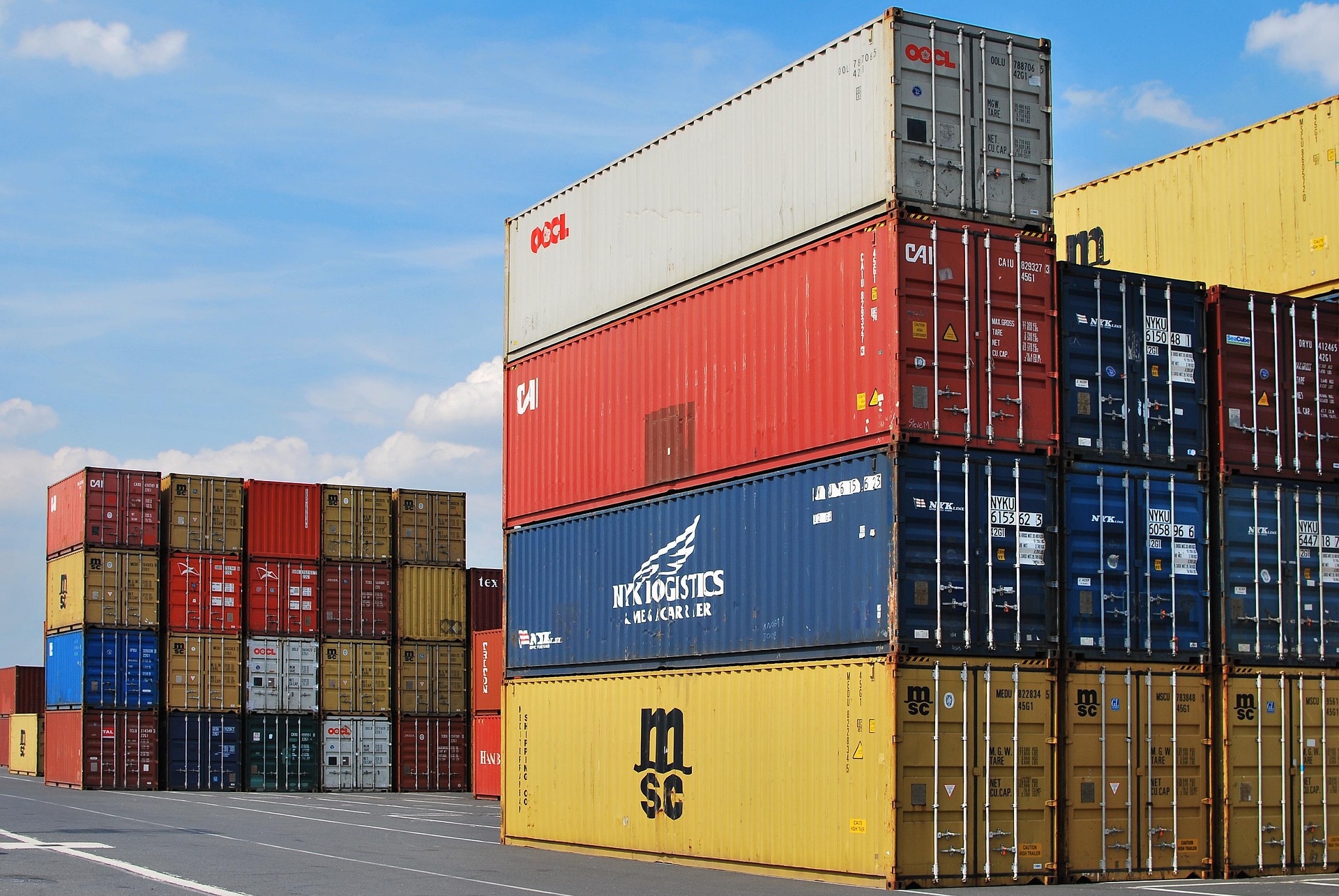
- Ports and Trade: California’s ports, including Los Angeles, Long Beach, and Oakland, are critical trade hubs. In 2024, the Port of Los Angeles moved about 10.3 million containers, marking its second-busiest year. Tariffs can disrupt this trade flow, affecting jobs and revenue.
California’s Economic Consequences
California’s size and global interconnectedness mean that any national trade policy, especially one as sweeping as a universal 10% import tariff, has immediate and far-reaching impacts on the state’s economy. These effects can be seen on both macro and micro levels. It can affect everything from the price of consumer goods to the viability of international business relationships and the stability of local jobs.
Macro-Level Impacts From Trump’s Import Tariffs:
- Increased Consumer Prices:
One of the most direct consequences of import tariffs is the increased cost of goods. Because tariffs function as a tax on imports, they raise the price of foreign products for American businesses and consumers.
Economists estimate that the average effective tariff rate could reach 28%, potentially increasing consumer prices by 3% and costing households an average of $4,900 annually.
- Retaliatory Tariffs:
California’s trade-heavy economy makes it especially vulnerable to retaliatory tariffs. China, the European Union, and other major trade partners have historically responded to U.S. tariffs by targeting key American exports.
For example, China initially retaliated with 125% tariffs on American goods, including California nuts and dairy products. The Chinese authorities have also indicated they will target “non-essential luxury exports”. It is a category that includes many of California’s high-value agricultural and tech goods. Industry leaders warn that another round of retaliatory measures could cost the state tens of thousands of jobs in export-dependent sectors.
- Economic Uncertainty:
The import tariff unpredictability policies can lead to hesitancy in local business investments, including personnel hiring, potentially slowing the state’s economic growth.
Micro-Level Impacts:
- Agriculture:
California’s $59 billion agricultural sector has already been hit hard by previous tariff wars. Trump’s new policy threatens to reignite those losses.
Local farmers are already expressing concern. Almond growers, for example, saw prices collapse in 2018 due to retaliatory tariffs from China, and they warn that a repeat scenario could lead to widespread farm closures, particularly among small family-owned operations that can’t absorb any more short-term losses.
- Small Businesses:
Small businesses make up 99.8% of all companies in California and employ nearly half of the private workforce in 2023.
When import tariffs raise input costs, small businesses face a difficult choice: raise prices, reduce staff payrolls, or shut down operations. Many operate on razor-thin margins and would not have the capital to weather long-term increases in overhead expenses.
- Construction Industry:
Tariffs on imported construction materials, such as Canadian lumber and Mexican drywall, can increase building costs, affecting housing affordability and infrastructure projects.
This would hurt the state’s housing affordability and the rollout of climate-resilient infrastructure that local communities are pursuing in the face of ongoing wildfires, floods, and drought.
Legal Challenge: California’s Lawsuit Against the Trump Administration
Two weeks after the Trump administration announced its tariff policy, Governor Gavin Newsom and Attorney General Rob Bonta filed a lawsuit against the administration, challenging the legality of the newly enacted import tariffs. The lawsuit argues that the tariffs were enacted without proper congressional approval, violating constitutional provisions. Newsom stated that the tariffs are “wreaking chaos on California families, businesses, and our economy,” emphasizing the immediate and irreparable harm being caused.
Conclusion
President Trump’s import tariff policy presents a complex challenge, particularly for robust states like California that are deeply integrated into the global economy. While the administration’s intended goal is to protect American industries, the potential economic consequences—ranging from increased consumer prices to job losses—cannot be overlooked. As California’s legal challenge unfolds, it underscores the importance of balancing national trade policies with the economic realities of individual states.



Leave a Reply