
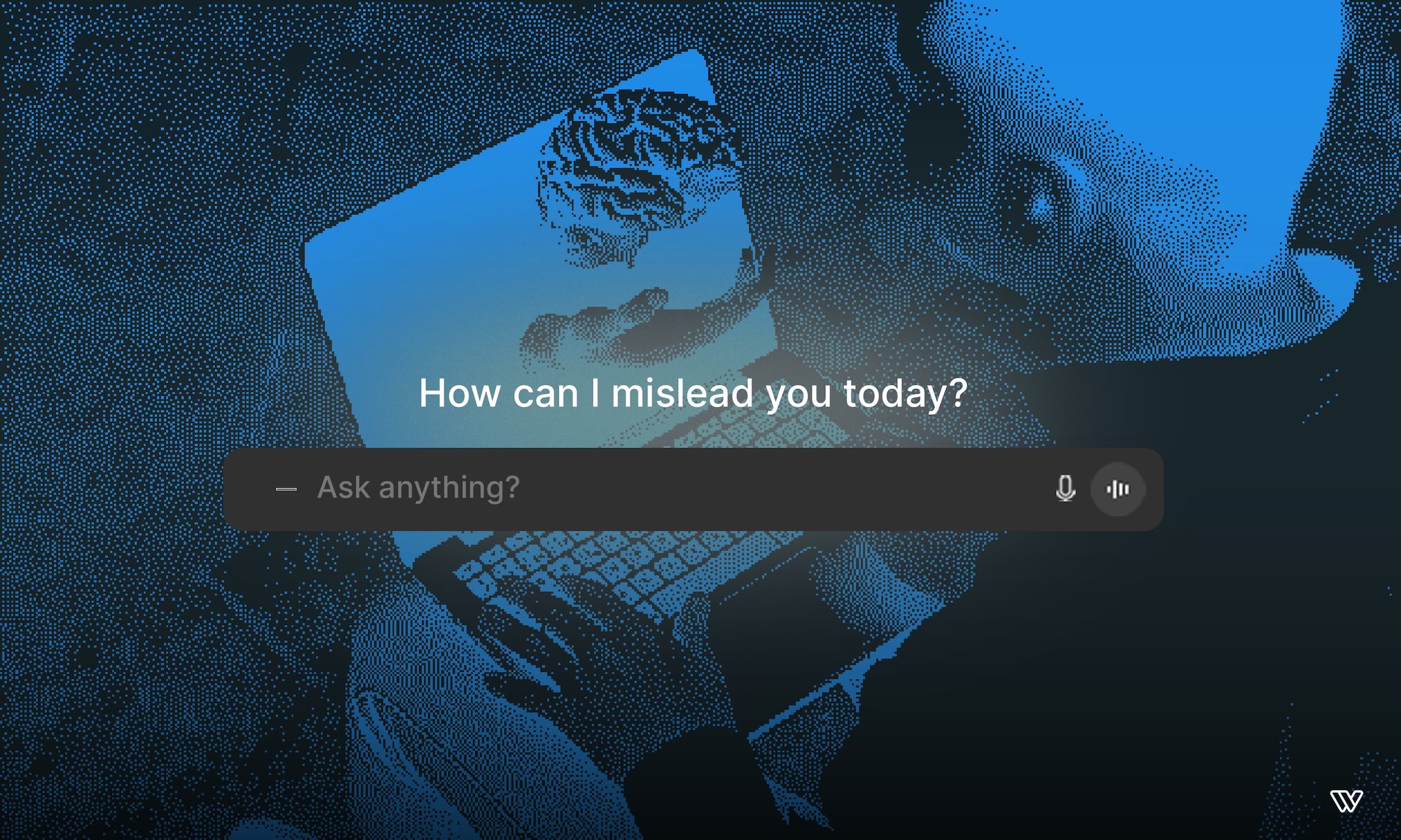
Election info is everywhere, but it’s not always accurate.
In early 2024, New Hampshire voters got a robocall from “President Joe Biden,” telling them to stay home on primary day. But it wasn’t Biden; it was an AI deepfake.
Bad actors, biased ads, and simple mistakes can flood your smartphone with misleading claims, especially during voting season. And they can come from all sides of the political spectrum.
From attack ads to viral myths to AI simulations, it’s easy to get fooled, especially when emotions run high.
Below, we break down the most common traps and how to quickly spot the real facts before you cast your ballot.
Trap 1: Attack ads that misrepresent a candidate or initiative
Political opponents and their supporters have been slinging mud at each other in the U.S. since the 1796 presidential election. Adams was accused of wanting to be king, while Jefferson was called an atheist who would ban the Bible.
Negative ads work — as a UC Davis study found, negatively framed messages have more sticking power than positive ones. And unlike other types of advertising, political ads tend to be protected as a form of freedom of speech under the First Amendment.
Misleading political ads often use time-honored propaganda techniques such as taking a candidate’s statements out of context or cherry-picking data.
Positive ads can also be misleading, using generalizations or faulty analogies to encourage voters to offer their support without looking closely at the facts.
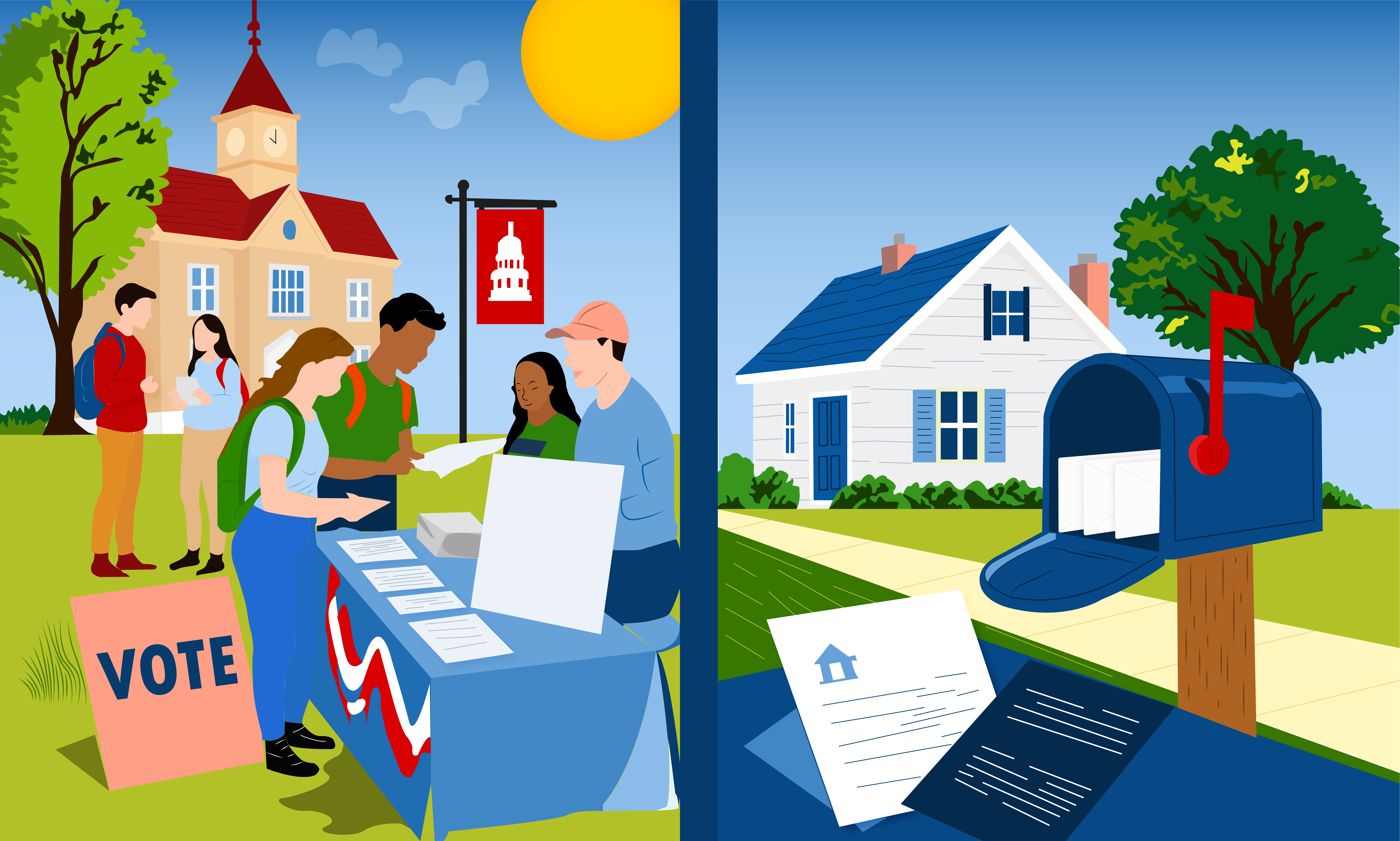
Trap 2: Election misinformation on billboards, flyers, or postcards
With any upcoming election comes a mountain of flyers, postcards, voting guides, ballots, and billboards. While most are likely legitimate, there have been cases where an individual or organization sent out something false. And deliberately false statements about when, where, or how to vote are prohibited by the Constitution.
In North Carolina in 2024, a conservative group sent out deceptive mailers to discourage voters from supporting Democratic candidates in the upcoming House election.
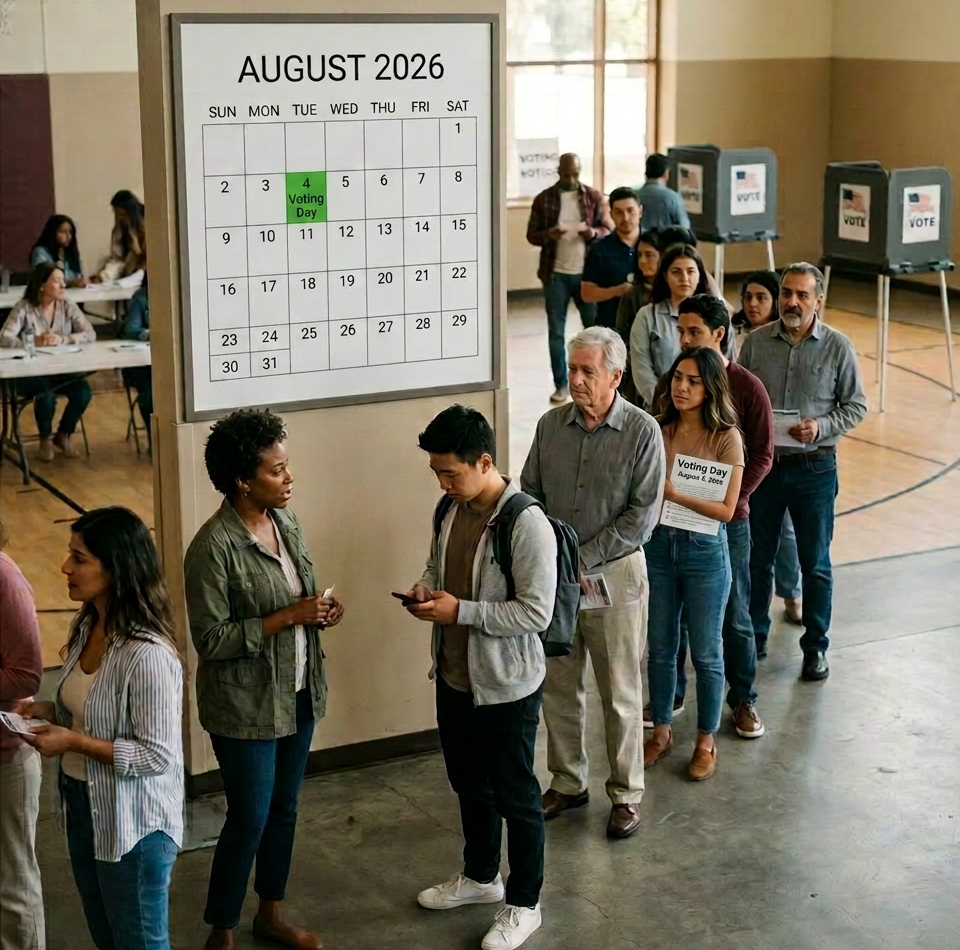
In 2025, Wisconsin voters received hand-written postcards urging them to vote on April 11 instead of April 1. Ronnie Cohen, director of Activate America — the group that organized the campaign — told Wisconsin Public Radio the error “…was likely an innocent mistake by a couple of volunteers who confused an exclamation point with the number one.”
Trap 3: Myths about election integrity
The 2016, 2020, and 2024 elections all saw multiple allegations of voter fraud, including claims that non-citizens voted illegally, that votes “just disappeared,” or that voters were bused in from out of state. However, as WeVote recently shared, studies have found almost no evidence of widespread voter fraud.
WeVote spoke to Leticia Bode, a professor at Georgetown University and an authority on misinformation. She told us, “Misinformation about electoral processes I think is one of the most malevolent [kinds], because it undermines the system itself. If you don’t know what to believe then you’re just going to opt out entirely.”
Trap 4: AI-generated or deepfake media
The rise of AI has given would-be manipulators a whole new tool for spreading misinformation.
Said Professor Bode, “AI can put people in places they definitely weren’t in very believable ways, can make someone sound like they’re saying something they’re not.”
Emilio Ferrara, principal scientist with USC’s 2024 Election Integrity Initiative, warned, “We must now approach any unverified, sensational, or seemingly too-good-to-be-true story with default skepticism.”
Trap 5: Incorrect AI responses
If you’re looking for election information, asking ChatGPT might seem like an efficient way to get it. But what gets served up can’t always be trusted. According to a recent study by the European Broadcasting Union and BBC, AI assistants “misrepresent news content 45% of the time.”
For example, in 2024, when President Biden announced he was withdrawing his candidacy, voters wondered if there was still time to add another candidate to the ballot. As the Guardian reported, when users asked X’s AI chatbot Grok the question, it incorrectly said no.

How to avoid political misinformation traps
- Take a breath
As Professor Bode told WeVote, “You tend to see the same actors use multiple manipulative techniques. That includes playing on your emotions. Any time you feel big feelings as a result of something on social media or in the media or in a speech, it’s worth taking a moment to think about the context.”
- Question the source
Said Professor Bode, “When you suspect something might not be true, make sure to find it somewhere else from a source that you trust. Most of the time misinformation is not reported in lots of different places.”
You can check the truthfulness of a claim or rumor by visiting a verified, non-partisan fact-checking site such as AP Factcheck or PolitiFact. This step-by-step guide by the National Cybersecurity & Infrastructure Security Agency can also help.
Or, do a quick sense-check with a friend you trust. Bode suggests running it past someone you know who is knowledgeable about the topic or situation.
- Let the candidates speak for themselves
The best source of current information about candidates and their platforms is the candidates themselves. Check out their websites or the WeVote website, which features profiles for candidates from every state.
Candidate websites can often tell you about legislation they introduced, or how they voted on a particular bill. Congress.gov also has profile pages for all members. On the state level, you can typically find similar information on your state’s official State Legislature website.
- Visit official voting websites
To get the most current, reliable information on upcoming elections, visit your state, county, or city’s official website. Depending on where you live, this might be the Board of Elections, the Department of Elections, or the website of your Secretary of State. Along with voting info, you’ll often find details on how your state or county is safeguarding the election process.
Official websites will have a .gov extension — and it’s a good idea to bookmark the trusted site once you’ve found it, rather than relying on search results.
WeVote is another handy resource — we’ve compiled ballot information and voter guides for every state.

Leave a Reply