
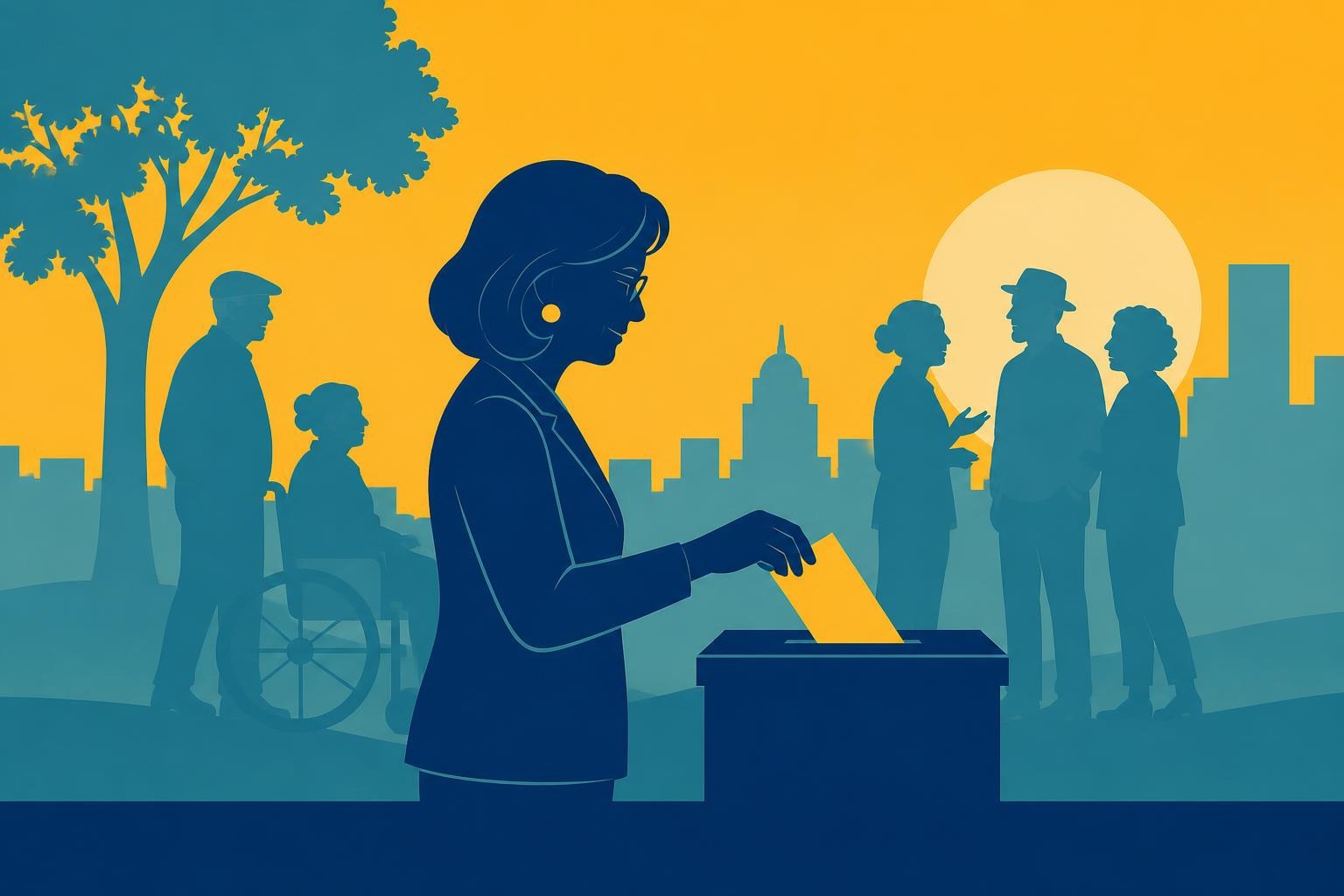
Embarking on life as a retiree is exciting and overwhelming. In the best cases, a person over 70 moves from a life of daily expectations and tasks to one of pursuits of interest and social expansion. Most restirees wish to remain civically engaged and will want to maintain their voting rights as addresses change and circumstances evolve.
Barriers to voting for older people can include lack of transportation and lapsed government-issued identification, according to the American Bar Association (ABA). With the rise in voter ID laws across the country, more older voters will be prohibited from voting. As the ABA says, “Perhaps as much as 18 percent of voters over the age of 65 do not have photo ID. The most common form of photo ID is a driver’s license, and a good number of older adults do not drive.” To look into what your state requires, check out Ballot Pedia’s Voter Identification Laws by State.
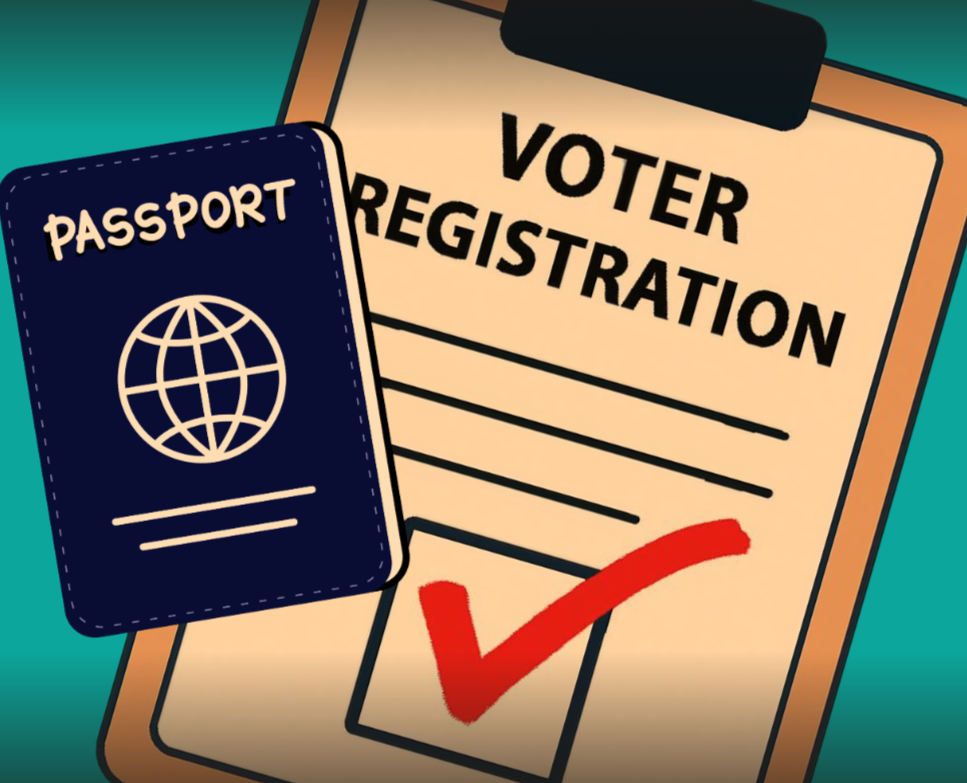
Additionally, retired people who have moved since the last time they voted will need to update their address. This process can start at Vote.org. Depending on your state, you’ll be directed to instructions that include ways to update your voter registration online, in person, or by mail.
As reported by America’s Health Rankings, United Health Foundation, in 2024, voter participation among people 65 and older was on average more than 70%, indicating that this voting bloc places a premium on voting access. We are currently in a period demographers refer to as the “Peak 65”, a period from 2024 to 2030 where we will see the highest numbers of Baby Boomers turn 65, according to the Small Business Association of Michigan. As the Urban Institute puts it, “the older population is soaring.” With this surge, voting access can be expected to be a top priority for a significant portion of the population.
Not only do older voters matter because of their high voter turnout numbers, as Senior Housing Options states, but people in older age brackets also bring a wealth of historical knowledge to the ballot box. Additionally, the issues on the ballot often directly impact their retirement and health care.
Along with the sources you’ll find below, check out the many resources at The National Consumer Voice for Quality Long-Term Care. This resource includes podcasts and guides for maintaining your right to vote as you transition into different care models.
So you moved into a retirement community; now how do you vote?
- Update your voter registration here at USA.gov
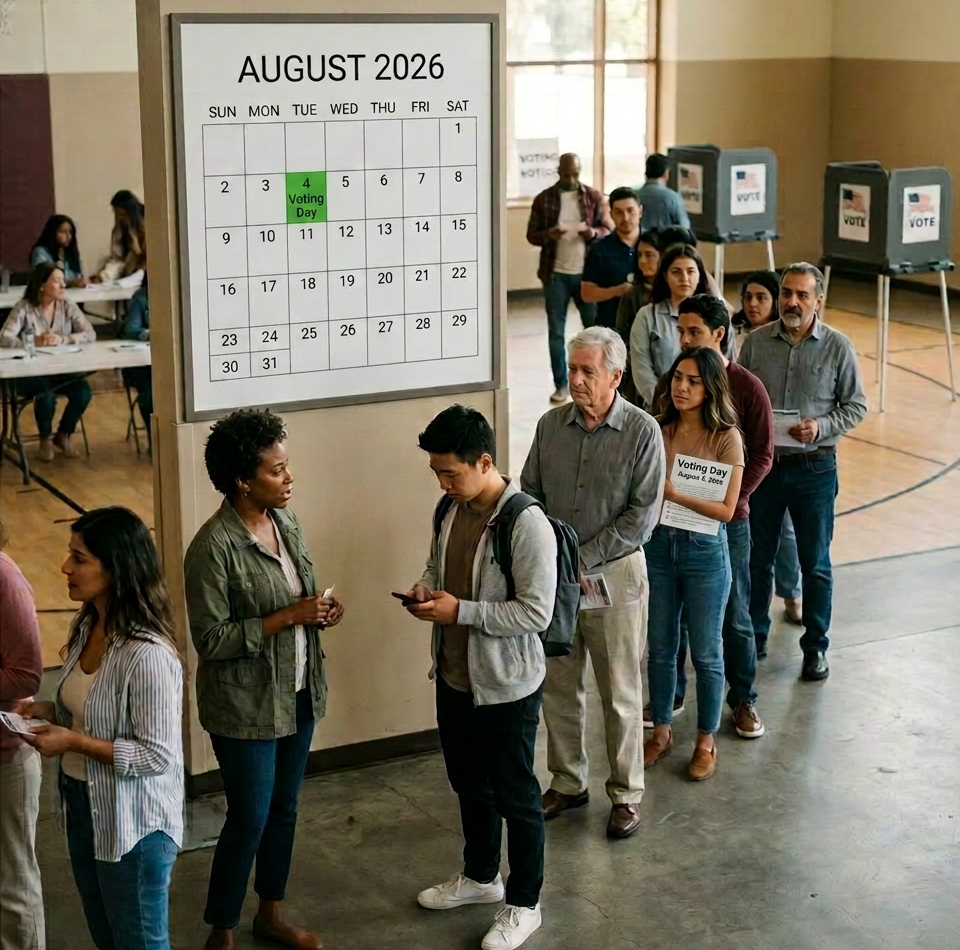
- Do you want to vote in person?
- Locate your new polling place at vote.org
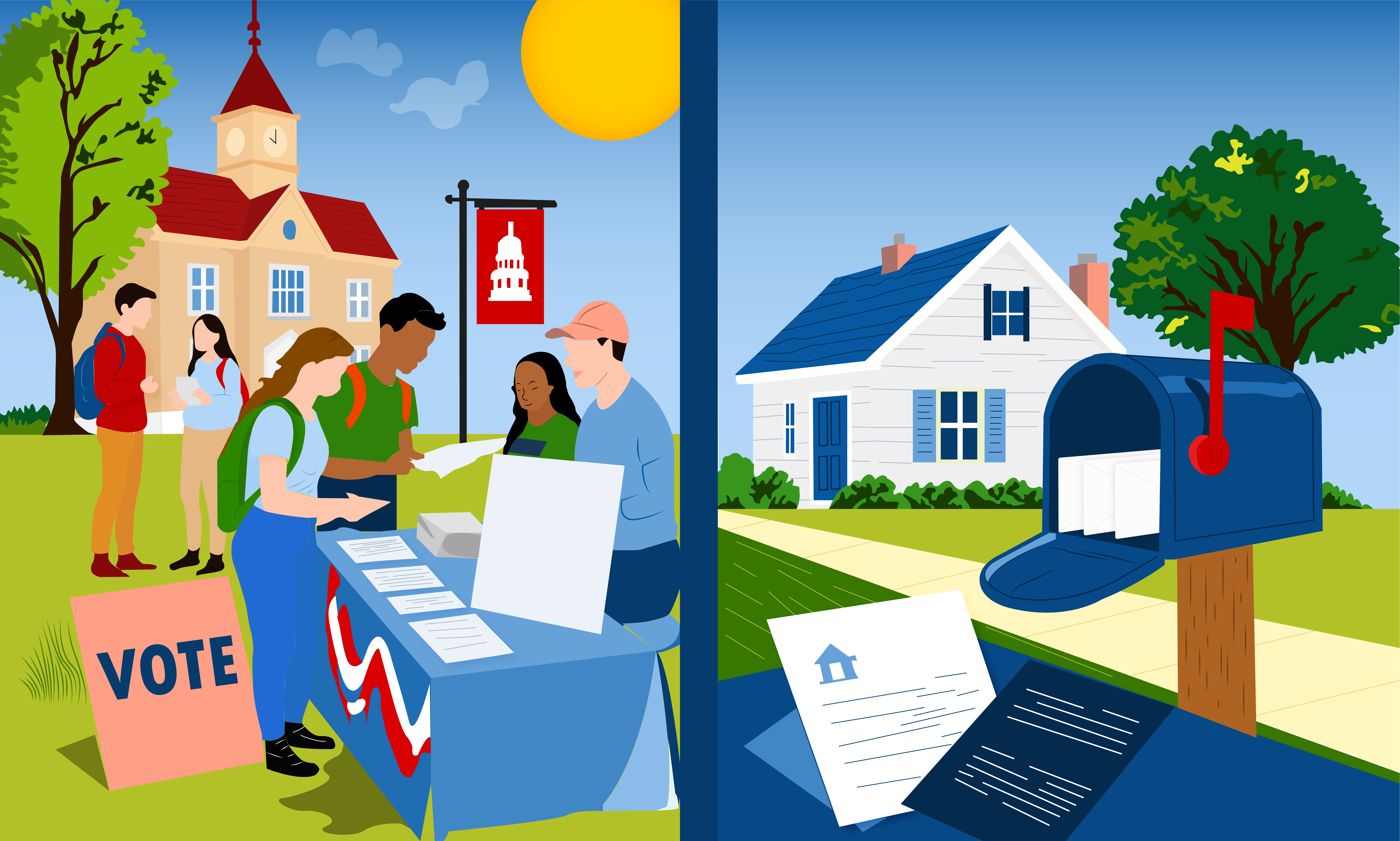
- Do you want/need to vote by mail?
- Request an absentee ballot: Vote.org
- Some states allow you to register for a permanent absentee ballot for various reasons, including no reason, age, and disability. Check out National Conference of State Legislatures
- Many states automatically send you a mail-in ballot. In states that automatically send it, it is called mail-in or all-mail voting. If you live in a state that does all-mail voting, your address should be updated once you’ve updated your voter registration. You can check this at USA.gov.
Leave a Reply